
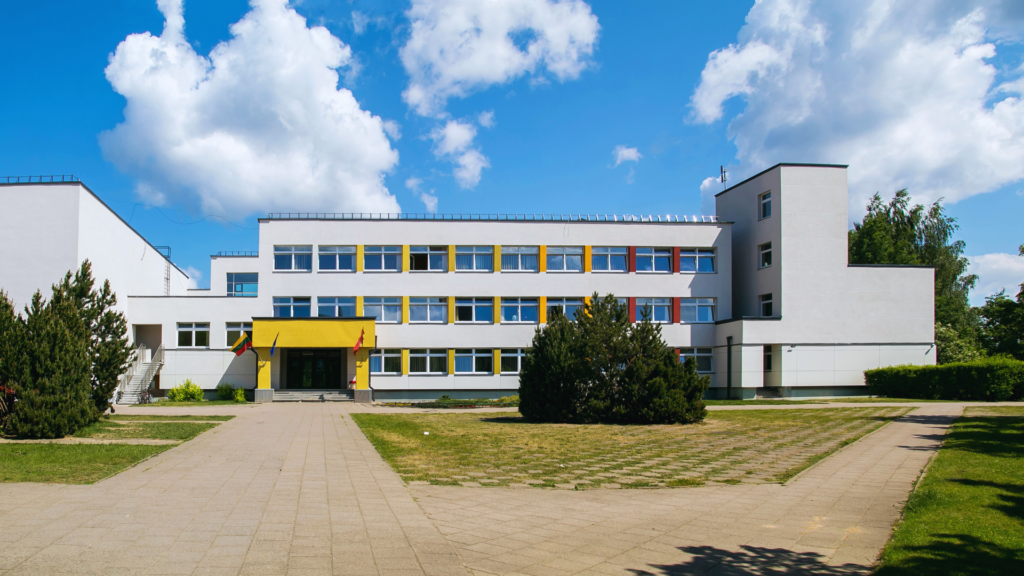
Choosing between public and private schools is a decision many families face at some point. Public schools are funded by the government and typically offer free education, while private schools charge tuition and often have more autonomy in their curricula. Understanding these differences is crucial for parents as they evaluate the best educational environment for their children.
Public schools are designed to serve the general population and must adhere to specific educational standards set by the government. In contrast, private schools may offer unique programmes, smaller class sizes, and different teaching philosophies that appeal to some families.
Both types may have their merits, but the basic structural setup of a school can also play a significant role in shaping the overall experience. In that regard, a reputed classroom furniture supplier in the UK (or any other locations) can transform the atmosphere of a school by providing necessary elements like tables, lockers, and play equipment that can promote essential functionality in the school premises. With the right pieces, a school can create an environment that fosters learning, creativity, and collaboration.
When selecting the right school, parents should consider not only the financial implications but also the educational quality, values, and opportunities each type of institution provides. Examining these factors can lead to a more informed decision that aligns with a child’s needs and a family’s educational goals.
Understanding the Educational Landscape
The educational landscape comprises various types of schools, each with unique characteristics and regulations. Differences in curriculum, governance, and funding structures play a crucial role in shaping the experiences of students in public and private educational settings.
Variations in School Types
In the UK, schools are broadly categorised into public and private institutions. Public schools include state-funded schools known as community schools, grammar schools, academies, and voluntary schools. Each type serves different communities and educational philosophies.
- State schools are funded by the government and free for students.
- Grammar schools select students based on academic performance.
- Academies are state-funded but operate independently of local authority control.
Private schools, including independent schools and boarding schools, charge fees and can set their own admission policies. They often offer smaller class sizes and specialised curricula. Many reputed lake city fl private schools (or in other areas) may also emphasize imparting Christian values as part of their overall educational philosophy. These schools tend to blend strong academic programs, paired with teaching moral values, spiritual development, and service to others.
Regulatory Framework
The regulatory framework governing schools varies significantly between public and private institutions. Public schools must adhere to the national curriculum, ensuring standardised education across the UK. They are accountable to local authorities and inspected by Ofsted.
In contrast, private schools enjoy greater autonomy. They can choose whether to follow the national curriculum or develop their own. Many of these schools are members of associations that set their own standards and guidelines, such as the Independent Schools Council.
Fundamentally, the funding models are distinct; public schools rely on government funding, while private schools depend on tuition fees and private contributions.
Academic Curriculum and Standards
Academic curricula in public and private schools reflect their distinct operational frameworks. Public schools generally follow the national curriculum, which encompasses various subjects and learning objectives for primary and secondary education.
The curriculum in private schools often extends beyond standard requirements. These schools may offer a range of qualifications, including A-levels, International Baccalaureate, and vocational qualifications. The choice of subjects can be broader, allowing for tailored educational paths.
Assessment standards also differ. Public schools are primarily evaluated through standardised tests and inspections. Private institutions may have more flexibility in assessing student performance, employing diverse methods to gauge educational outcomes.
Assessing Academic Opportunities and Outcomes
Academic opportunities and outcomes differ significantly between public and private schools. Factors such as teaching quality, class sizes, standardised test performance, and extracurricular offerings play a crucial role in shaping the educational experience.
Quality of Education and Teaching Staff
Private schools often attract highly qualified teachers, many of whom possess advanced degrees and specialised training. They typically have more autonomy in hiring, allowing them to pursue educators with unique backgrounds. Public schools may face challenges in this area due to budget constraints, leading to varied teacher qualifications.
Teacher certification processes also differ. In many regions, private institutions may have more flexibility in their requirements compared to public schools, which adhere to state certification guidelines. Consequently, teaching quality can vary, influencing student learning experiences.
Class Sizes and Student-to-Teacher Ratios
Class sizes play a significant role in educational outcomes. Private schools frequently boast smaller class sizes, leading to a lower student-to-teacher ratio. This environment allows for personalised attention, fostering student engagement and understanding.
For instance, a typical private school may maintain a ratio of 10:1, compared to a public school’s ratio of 20:1 or higher. Smaller classes enable teachers to identify and address individual student needs more effectively. This focused approach can enhance overall academic performance.
Standardised Tests and Academic Performance
Academic performance is often measured by standardised tests such as GCSEs and A-levels. Research indicates that students from private schools generally achieve higher test scores than their public school counterparts.
For example, private schools frequently offer Advanced Placement (AP) and International Baccalaureate (IB) programmes, which can further enhance students’ academic profiles. Public schools may offer these options, but they vary widely in availability and implementation, affecting students’ preparedness for university.
Specialised Programmes, Global Experiences and Extracurricular Activities
Extracurricular activities and specialised programmes are critical for students’ holistic development. Private schools often provide a wider range of offerings, including advanced studies and gifted programmes. These can include extracurricular activities like debate clubs, sports teams, and arts programmes. Beyond that, some private schools also provide exciting opportunities for students to travel, such as to Explore Europe with unforgettable school trips, or other destinations. These experiences allow students to learn through exploration, culture, and real-world connections, and make their education even more enriching.
Public schools may offer fewer specialised options and may be limited by budget cuts. Although many public schools strive to enhance their extracurricular offerings, they can struggle to match the breadth of what private institutions provide. When it comes to organizing educational trips, public schools may find it difficult due to budget constraints or logistical challenges. This disparity can impact student engagement and opportunities for personal growth outside the classroom.
Financial Considerations and Accessibility
Financial aspects play a crucial role in the decision between public and private schools. Understanding tuition costs, available financial aid, and long-term investment can aid in making an informed choice.
Comparing Tuition Fees and Additional Costs
Public schools typically have lower tuition fees, often funded by local taxes. In contrast, private school tuition can be significantly higher, ranging from 3,000 to 30,000 annually. This cost excludes additional expenses such as uniforms, textbooks, and extracurricular activities.
Private Schools:
- Tuition fees may vary greatly.
- Additional costs often include tutoring and special programs.
Public Schools:
- Generally free for residents.
- May have minimal fees for specific activities.
Parents should consider the total cost of attendance to understand the complete financial commitment.
Scholarships and Financial Aid Options
Both public and private schools offer financial aid, but the structures differ. Private schools frequently provide scholarships based on merit or need. These can substantially reduce the cost of attendance.
Key Points:
- Private scholarships can cover a significant portion of tuition.
- Public schools often have government aid options available.
Exploring these options is essential. Parents should not hesitate to engage with school administrators about available financial assistance to make education accessible.
Evaluating Long-term Educational Investment
Investing in education extends beyond immediate costs. Private schools may offer smaller class sizes and individual attention, potentially leading to higher academic performance. This can translate into better opportunities for higher education.
Considerations for Long-term Investment:
- Private schools may yield higher acceptance rates into top universities.
- Public schools often prepare students well, especially in local contexts.
Evaluating these factors alongside tuition costs can help families make strategic decisions regarding their child’s future career success. Balancing immediate expenses with potential long-term benefits is essential in determining the right educational path.
Cultural and Social Considerations
Cultural and social factors play a significant role in distinguishing public and private schools. This section focuses on diversity and inclusivity, parental involvement, and preparation for future educational paths.
Diversity and Inclusivity in School Environments
Public schools often reflect the demographic composition of their surrounding communities, typically offering a more varied student body in terms of ethnicity, socioeconomic status, and cultural background. This diversity can enhance students’ social skills and cultural awareness, promoting inclusivity.
Private schools may have specific admission criteria, which can limit diversity. Institutions like Eton and Harrow, for instance, often cater to a more select demographic. However, some private schools aim for a diverse student population by offering scholarships and outreach programmes.
Parental Involvement and Community Engagement
Parental involvement significantly impacts students’ educational experiences. Public schools might engage with parents through community events, offering opportunities for participation in decision-making. This can foster a sense of belonging and partnership in education.
Private schools often have higher rates of parental involvement due to smaller class sizes and personalised attention. Many prep schools and christian private schools near me actively encourage parents to engage in school activities, creating strong community ties. This partnership can lead to enhanced educational outcomes.
Preparation for University and Beyond
Private schools frequently emphasise preparation for higher education, with tailored curricula designed to meet university entry requirements. They often provide resources like personalised tutoring and guidance, which can benefit students aiming for competitive programmes.
Public schools, especially comprehensive ones, may also prepare students for university, though the range of resources can vary considerably. Students from both sectors can benefit from extracurricular activities that promote skills essential for further education and careers.